Young adults face emotional problems in their daily lives. Considering that youth are prevalent among mobile internet users, it would be helpful if functions that can intervene in young people’s depression and anxiety can be designed based on short video apps. Large language model (LLM)-based AI conversational agents based on short video apps may play an important role in intervening in young adults’ negative emotions. To provide further evidence in this regard, Zhao et al. (2025) examined the effectiveness of an artificial intelligence (AI) agent trained on a LLM as an intervention for depression and anxiety in young adults in China.
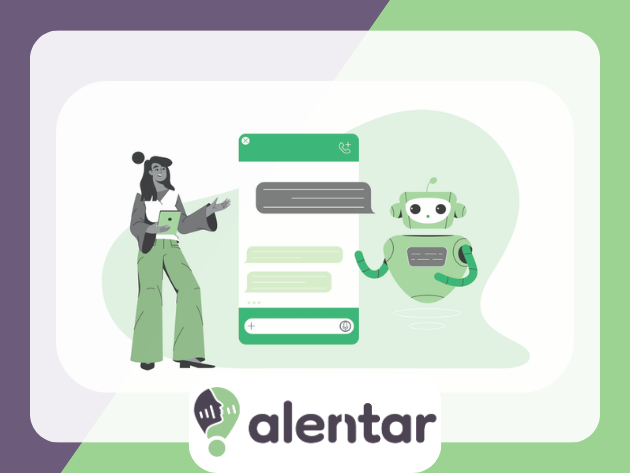
Using a 28-day randomized controlled trial, 865 participants aged 18–25 years with mild depressive or anxiety symptoms were recruited via the Douyin app in China (i.e., TikTok) and assigned to either an AI-intervention group or a waiting control group. The intervention consisted of daily conversations with an AI companion bot designed to provide emotional support, guided reflection, and empathic engagement, while explicitly avoiding clinical diagnosis or therapy. Depression and anxiety were assessed using the Patient Health Questionnaire–9 (PHQ-9) and the Generalized Anxiety Disorder Scale–7 (GAD-7), alongside measures of positive and negative affect.
A foundational stone for preventing mental health problems via AI-based chatbots
Findings from this study showed that despite no significant mood changes after 14 days for both intervention and control groups, significant reductions in depressive symptoms, anxiety, and negative affect emerged in the intervention group after 28 days. Meanwhile, the waiting group demonstrated a decrease in positive affect after 28 days. Effect sizes were small but statistically significant, suggesting that sustained AI-mediated dialogue can produce measurable emotional benefits.
The authors conclude that LLM-based AI agents may serve as a viable low-threshold intervention for emotional distress among young adults. The study shows that symptom improvement required sustained engagement, with significant effects emerging only after four weeks, highlighting the importance of repeated and cumulative interaction rather than short-term use. From a public health standpoint, the scalability and low resource demands of LLM-based interventions make them promising tools for broad dissemination, particularly as accessible, early-step supports for individuals with mild symptoms in stepped-care mental health models.