
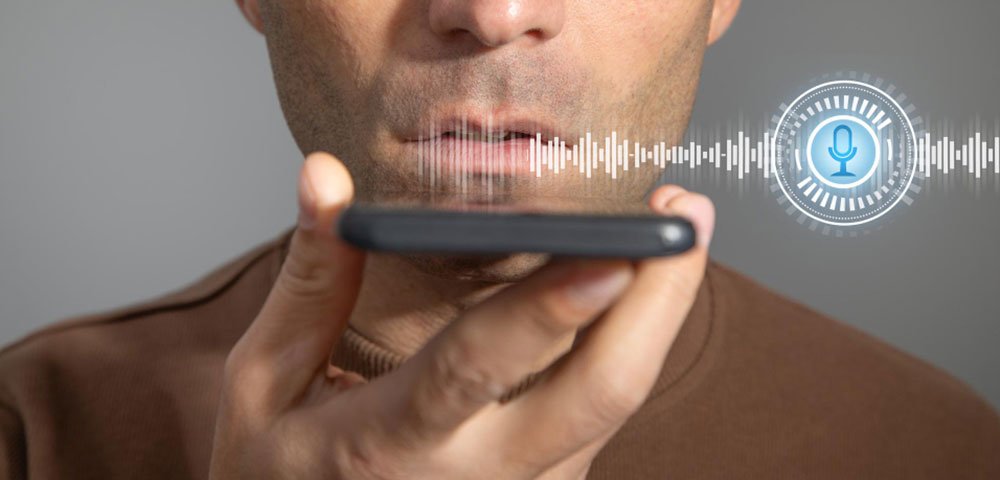
The study led by Briganti and Lechien (2025) reviews the role of vocal parameters (i.e., prosody, pauses, pitch, articulation) as potential digital biomarkers for the detection and monitoring of depression.
A recent systematic review suggests that voice and speech quality may be reliable biomarkers for detecting depression.
Through an extensive systematic review, the authors compiled data from 16,872 participants, including individuals with major depressive disorder, bipolar disorder, and other conditions, and analyzed how different vocal metrics (e.g., pitch variability, speech rate, silent pauses) were associated with depressive symptoms. This review also assessed the consistency of these biomarkers across studies to determine their clinical usefulness.
Voice and speech quality could become valuable tools for depression assessment.
The main findings of the systematic review show that alterations in speech prosody—such as reduced pitch variation, more frequent pauses, or slower speech—were consistently observed in individuals with depression compared to healthy controls. Although the results are promising, the authors highlight the difficulty of generalizing these conclusions due to methodological variability across studies, including recording methods, data collection environments, and diagnostic criteria used to define depression. Despite these challenges, the researchers suggest that these biomarkers could complement traditional clinical assessments and support symptom monitoring.
The potential of voice biomarkers in detecting and evaluating depression.
In a context of growing demand for mental health services and limited resources, this digital approach could represent a significant advancement for two main reasons. First, voice biomarkers offer a less invasive alternative for detecting and assessing depression, relying on advanced speech recognition technologies that can be integrated into apps, telemedicine platforms, or mobile devices. Second, these indicators enable continuous and more accessible monitoring for healthcare professionals, providing an effective foundation for remote assessment and follow-up.
However, Briganti and Lechien (2025) recommend standardizing voice recording and analysis protocols to ensure greater comparability between studies, as well as conducting longitudinal research to examine how depressive symptoms fluctuate over time.