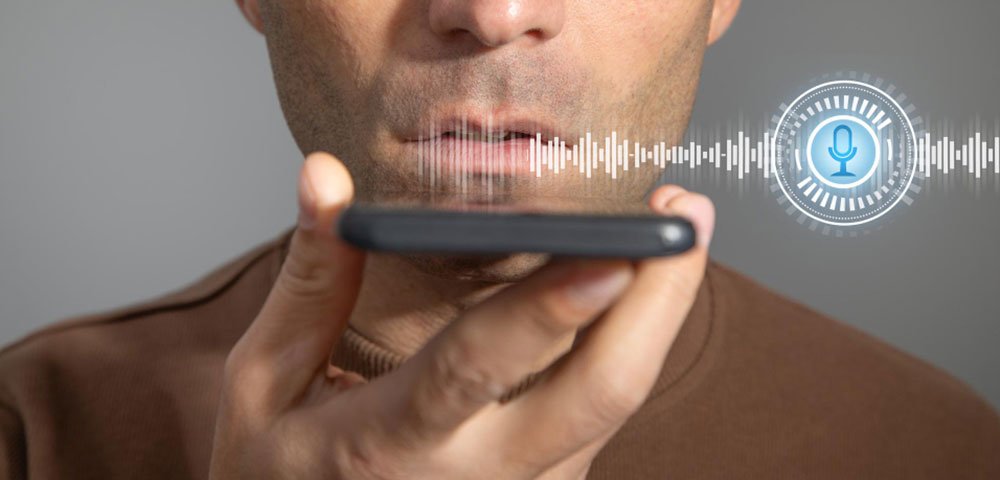
Mental disorders such as depression, bipolar disorder, schizophrenia, and anxiety represent a growing global health burden. Despite advances in psychiatry, diagnosis still relies largely on subjective clinical interviews, which may delay detection and introduce variability across clinicians. One strategy to address these problems is computational psychiatry, which applies machine learning (ML) to optimize generalizability at an individual level and provide clinical applications and personalized treatments
With the aim of shedding light over ML application in psychopathology, Espinola et al. (2022) proposed a methodology to support the diagnosis of major depressive disorder, bipolar disorder, schizophrenia, and generalized anxiety disorder using vocal acoustic analysis. Furthermore, it was expected that mental health conditions diversely influence emotion, cognition, and control emotion, which subtly affect how individuals speak. Additionally, these authors were interested in unveiling how ML accurately classified different mental disorders, screened different types of clinical populations, and analysed whether vocal parameters served as digital biomarkers for these aforementioned psychiatric conditions.
Therefore, in this study 78 participants were recruited from five different group conditions: a) control; b) depression; c) schizophrenia; d) bipolar disorder; e) generalized anxiety disorder (GAD). Participants were interviewed and audio recorded to extract a wide range of acoustic features, including: a) prosodic features (pitch – F0 -; intensity; rhythm); b) voice quality (jitter; shimmer); c) spectral properties; d) temporal features (speech rate; pauses; timing). These features were then fed into ML classification algorithms, such as multilayer perceptron (MLP), logistic regression, Random Forest, or Bayes net. All these ML algorithms were trained to identify patterns associated with each disorder.
Which ML algorithm best classifies mental health conditions?
The main results were encouraging and supported the feasibility of this approach. Indeed, the authors found high ML model performances in distinguishing between diagnostic groups. Furthermore, each disorder showed distinct acoustic signatures, as it follows: a) depression (flatter intonation; reduced variability; slower speech); b) bipolar disorder – mania (increased energy; variability; speech pressure); c) schizophrenia (atypical; less coherent speech patterns); d) anxiety (heightened tension reflected in vocal features). These findings suggest that speech contains clinically meaningful information that can be quantified and modeled.
Nevertheless, several limitations must be considered in this study. Espinola et al. (2022) used a relatively small and non-representative sample, in a controlled condition; hence, this study may not fully reflect real-world settings and populations. Prospect studies should replicate this condition across diverse populations and languages. In addition, future research should control ML algorithms to avoid further risk of overfitting the models.
Future directions of mental health diagnosis
This study provides strong evidence that speech-based biomarkers, combined with ML, can help identify and differentiate major mental disorders. It also represents a step forward toward precision psychiatry, where diagnosis and intervention are expected to be personalized, data-driven and timely implemented. This research area involves a new paradigm in mental health assessment for several reasons. First, it significantly reduces subjective clinical judgment by using robust biomarker analysis tools. Furthermore, voice-related data can be collected via smartphones or wearable devices, hence making it more scalable. Second, ML techniques do not require biological samples or complex procedures. Finally, this approach facilitates continuous monitoring which enables an easy tracking of symptoms over time. In the long run, these systems could be integrated into AI-driven platforms to assist clinicians to improve early detection and screening tools, enhance clinical decision support systems, and monitor treatment response.
To move toward clinical implementation, future research should focus on larger multimodal and longitudinal datasets which, in turn, could be translated into real-world validation in clinical and community settings. In addition, ML-related technologies must comply with ethical considerations, especially for privacy, transparency and research bias.